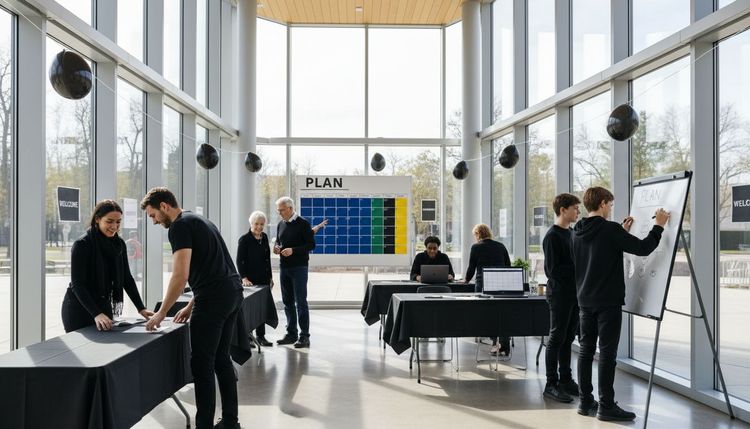
Over 80 million americans attend community events each year, highlighting how these gatherings shape neighborhoods and foster belonging. Whether it is a local festival or a skill-sharing seminar, organizing such events goes far beyond sending invitations. Understanding the unique elements that drive participation and build lasting connections helps transform a simple meeting into a powerful community experience. This guide breaks down what makes successful community event planning so effective for american groups of all sizes.
Table of Contents
- Defining Community Event Planning
- Common Event Types and Purposes
- Step-By-Step Planning Process Explained
- Group Scheduling Tools and Techniques
- Roles, Responsibilities, and Legal Considerations
- Avoiding Common Pitfalls and Challenges
Key Takeaways
| Point | Details |
|---|---|
| Community event planning fosters connections | These events are designed to build relationships, share knowledge, and strengthen community bonds rather than just provide entertainment. |
| Understanding participant needs is crucial | Successful events prioritize inclusivity and interaction by addressing diverse perspectives and creating welcoming environments. |
| A structured planning process enhances effectiveness | Defining clear objectives and utilizing a step-by-step approach in planning help ensure a seamless execution of community events. |
| Proactive problem solving is essential | Effective event management anticipates potential challenges and fosters transparent communication to create adaptable, resilient planning frameworks. |
Defining Community Event Planning
Community event planning is a strategic process of organizing gatherings that bring people together around shared interests, goals, or purposes. Unlike private events, these gatherings aim to foster connections, share knowledge, and create meaningful collective experiences. Community events can range from neighborhood block parties and cultural festivals to educational workshops and collaborative fundraisers.
Successful community event planning requires understanding the unique dynamics of group interactions and creating welcoming spaces for inclusive engagement. This means carefully designing environments that encourage participation, respect diverse perspectives, and facilitate meaningful connections among attendees. The core objectives extend beyond simply hosting an event - they focus on building social capital, strengthening community bonds, and creating platforms for shared learning and collaboration.
The planning process involves several critical components that differentiate community events from standard corporate or private gatherings. These typically include:
- Identifying community needs and interests
- Developing inclusive participation strategies
- Creating accessible and welcoming event environments
- Establishing clear communication channels
- Designing interactive and collaborative programming
- Managing logistical elements that support group engagement
From educational seminars to cultural celebrations, effective community event organization requires a nuanced approach that prioritizes collective experience over individual entertainment. By thoughtfully addressing participant needs, creating meaningful interaction opportunities, and maintaining flexible planning strategies, event organizers can transform simple gatherings into powerful community-building experiences.
Common Event Types and Purposes
Community events encompass a wide range of gatherings designed to meet diverse social, educational, and collaborative objectives. Community event types vary significantly, reflecting the unique needs and interests of different groups and populations. These events serve critical functions beyond simple entertainment, creating opportunities for connection, learning, and collective growth.
Some of the most impactful community events focus on fostering innovation and skill development. Maker spaces and DIY learning hubs represent powerful examples of events that transform traditional gathering formats into dynamic platforms for collaborative learning and creativity. These interactive environments encourage participants to explore new skills, share knowledge, and engage in hands-on problem-solving.
The primary categories of community events typically include:
-
Educational Events
- Workshops
- Seminars
- Training sessions
- Skill-sharing conferences
-
Cultural Celebrations
- Festivals
- Heritage events
- Community performances
- Multicultural gatherings
-
Professional Development
- Networking conferences that discuss industry trends
- Professional status symposiums
- Career development workshops
- Collaborative research presentations
-
Social Impact Events
- Fundraisers
- Community service initiatives
- Awareness campaigns
- Volunteer recruitment drives
These diverse event types share a common goal: creating meaningful spaces where people can connect, learn, and collectively address community challenges. By designing events that prioritize interaction, knowledge exchange, and collaborative problem-solving, organizers can transform simple gatherings into powerful platforms for community empowerment and social innovation.
Step-By-Step Planning Process Explained
Planning a successful community event requires a structured and strategic approach that transforms initial ideas into impactful experiences. Event planning is a complex process that demands careful consideration of multiple interconnected elements, each contributing to the overall success of the gathering.
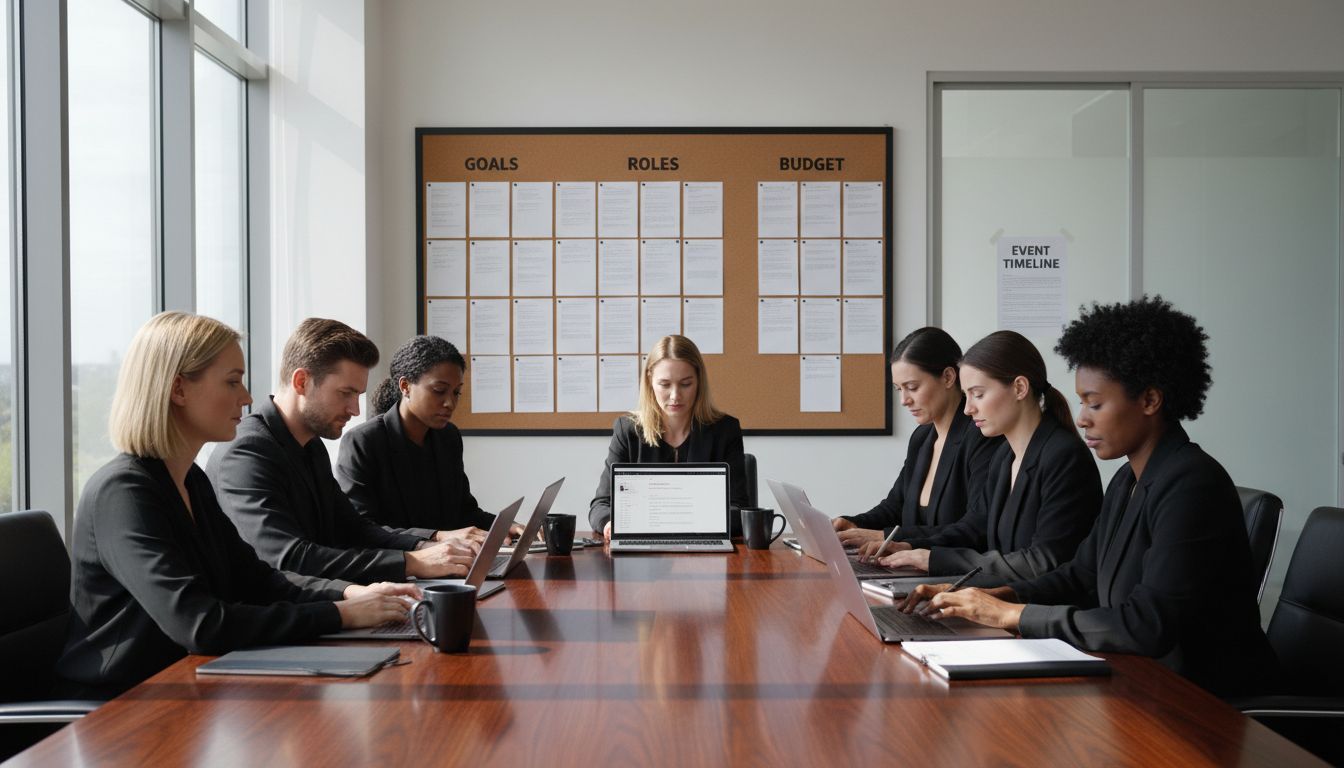
Defining clear event objectives represents the critical first step in creating a meaningful community event. This initial phase involves identifying the core purpose, target audience, and desired outcomes that will guide subsequent planning decisions. Effective event planners understand that a well-articulated objective serves as the foundation for all subsequent strategic choices.
The comprehensive event planning process typically follows these essential stages:
- Preliminary Planning
- Define event purpose and goals
- Identify target audience
- Establish event theme
- Determine budget constraints
- Logistical Coordination
- Select appropriate venue
- Set precise date and time
- Develop detailed timeline
- Create contingency plans
- Resource Management
- Recruit volunteers
- Secure necessary equipment
- Arrange technical requirements
- Manage financial resources
- Communication and Promotion
- Design marketing strategy
- Create promotional materials
- Utilize multiple communication channels
- Manage event registrations
- Execution and Follow-up
- Implement event logistics
- Monitor event progress
- Collect participant feedback
- Conduct post-event evaluation
Successful team coordination strategies play a crucial role in transforming these planning stages from theoretical concepts into actionable steps. By maintaining clear communication, delegating responsibilities effectively, and remaining adaptable, event organizers can navigate the complexities of community event planning with confidence and precision. The key is to approach the process systematically while maintaining flexibility to address unexpected challenges that inevitably arise during event preparation.
Group Scheduling Tools and Techniques
Navigating the complex landscape of group scheduling requires strategic selection of tools and techniques that streamline coordination and minimize communication barriers. Scheduling technologies have transformed how communities and organizations plan events, offering innovative solutions to the perennial challenge of aligning multiple participants' availability and preferences.
Selecting and testing online scheduling tools involves a systematic approach that goes beyond simple calendar matching. Effective tools must accommodate diverse participant needs, provide intuitive interfaces, and offer flexible communication channels that respect individual scheduling constraints while facilitating group decision making.
Group scheduling techniques can be categorized into several key approaches:
-
Synchronous Coordination Methods
- Real-time group polling
- Live calendar comparison
- Instant availability sharing
- Collaborative scheduling platforms
-
Asynchronous Scheduling Techniques
- Inverse availability tracking
- Comprehensive time range proposals
- Multi-day preference mapping
- Consensus building tools
-
Communication-Driven Scheduling
- Email-based scheduling links
- Integrated messaging platforms
- Automated reminder systems
- Cross-platform compatibility
The most effective scheduling guide for group events emphasizes flexibility, user experience, and minimal friction in the coordination process. By leveraging tools that prioritize participant convenience and reduce administrative overhead, event organizers can transform the often challenging task of scheduling into a smooth, collaborative experience. Successful group scheduling is less about finding a perfect time and more about creating a flexible, inclusive approach that respects participants' diverse constraints and preferences.
Roles, Responsibilities, and Legal Considerations
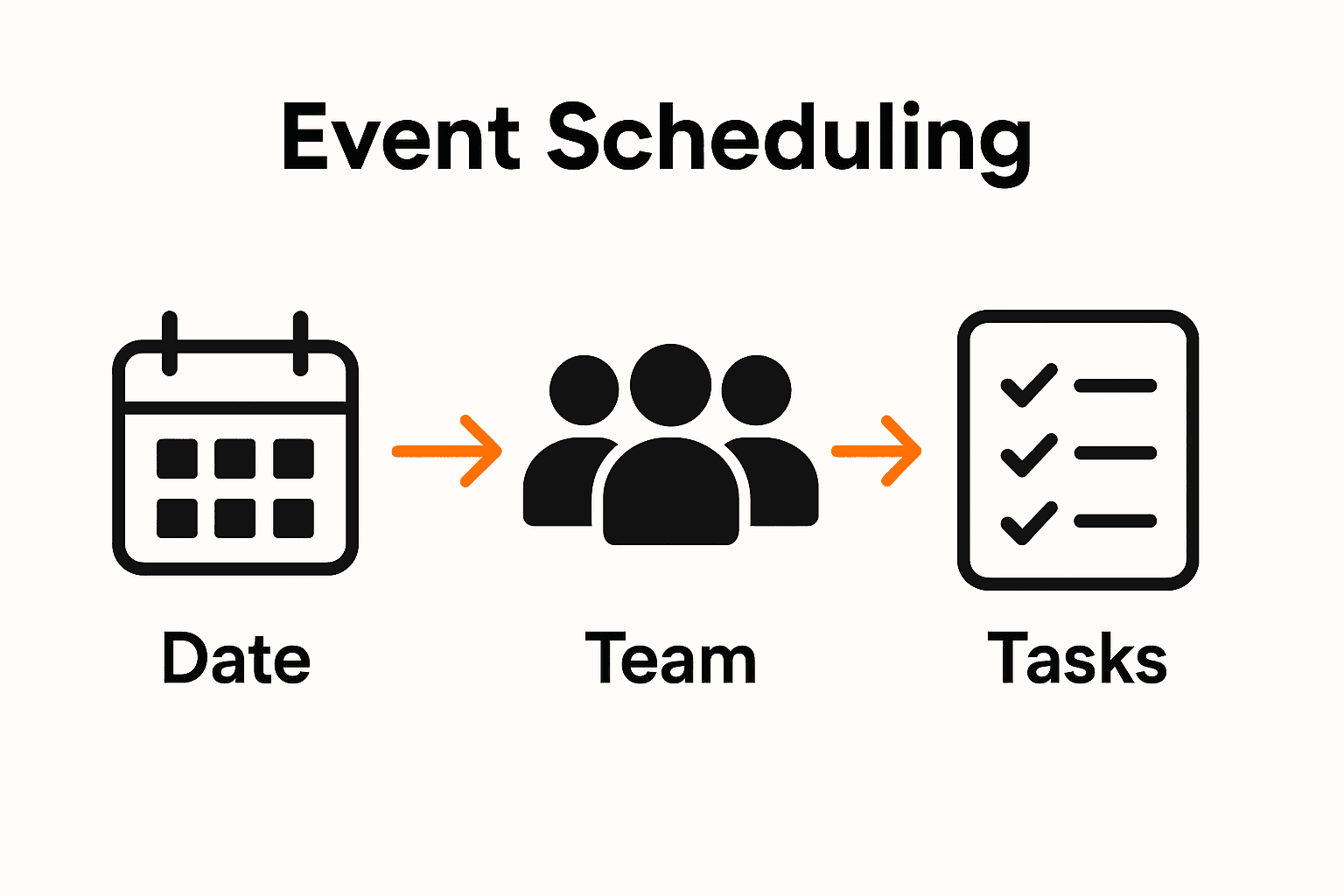
Successful community event planning requires a structured approach to defining roles, allocating responsibilities, and understanding potential legal implications. Event management is a complex ecosystem where clear communication and well-defined expectations can mean the difference between a smooth execution and potential organizational chaos.
Defining clear event objectives and communication channels serves as the foundational step in establishing a robust organizational framework. This process involves explicitly articulating each team member's specific responsibilities, creating accountability mechanisms, and ensuring that all participants understand their unique contributions to the overall event strategy.
The typical organizational structure for community events often includes these critical roles:
-
Core Leadership Team
- Event Director
- Project Manager
- Financial Coordinator
- Logistics Specialist
-
Support Functions
- Marketing and Communications
- Volunteer Coordinator
- Technical Support
- Risk Management Specialist
-
Event-Specific Roles
- Registration Management
- Guest Experience Coordinator
- Speaker or Performance Liaison
- Documentation and Reporting
-
Legal and Compliance Responsibilities
- Permit Acquisition
- Insurance Verification
- Safety Protocol Development
- Accessibility Compliance
The comprehensive guide for event organization emphasizes that successful role allocation goes beyond simple task assignment. It requires creating a collaborative environment where team members understand not just their individual responsibilities, but how their work interconnects with the broader event objectives. By establishing clear communication protocols, defining performance expectations, and creating flexible support structures, event organizers can build resilient teams capable of adapting to unexpected challenges while maintaining a consistent focus on delivering exceptional community experiences.
Avoiding Common Pitfalls and Challenges
Event planning is an intricate process fraught with potential obstacles that can derail even the most meticulously designed gatherings. Proactive problem solving becomes essential in navigating the complex landscape of community event coordination, where seemingly minor oversights can escalate into significant challenges.
Designing welcoming and inclusive event environments represents a critical strategy for mitigating potential planning pitfalls. This approach goes beyond logistical considerations, focusing on creating spaces that accommodate diverse participant needs, expectations, and communication styles. Successful event planners understand that inclusivity is not an afterthought but a fundamental design principle.
Common challenges in community event planning typically manifest in these key areas:
-
Communication Breakdowns
- Unclear role definitions
- Inconsistent messaging
- Poor interdepartmental coordination
- Inadequate participant communication
-
Logistical Complications
- Insufficient budget planning
- Venue selection errors
- Timing and scheduling conflicts
- Inadequate contingency preparations
-
Participant Experience Issues
- Limited accessibility
- Insufficient engagement strategies
- Lack of diverse representation
- Complicated registration processes
-
Risk Management Challenges
- Incomplete safety protocols
- Inadequate legal compliance
- Insufficient insurance coverage
- Poor emergency response planning
By understanding potential scheduling mistakes, event organizers can develop robust strategies that anticipate and mitigate potential challenges. The key lies in maintaining flexibility, fostering transparent communication, and creating adaptive planning frameworks that can quickly respond to unexpected developments. Successful event management is less about preventing all problems and more about building resilient systems that can effectively navigate complexity while maintaining a positive, inclusive participant experience.
Simplify Your Community Event Planning with Smarter Scheduling
Planning community events means juggling diverse schedules and navigating complex coordination challenges. The article highlights the struggle of aligning multiple participants' availability, preventing scheduling conflicts, and fostering inclusive engagement. If you have felt the frustration of endless back-and-forth messages and unclear communication chains, you are not alone. Effective event planning demands tools that prioritize your goals of accessibility, participant convenience, and flexible scheduling — exactly the challenges WhenNOT was designed to solve.
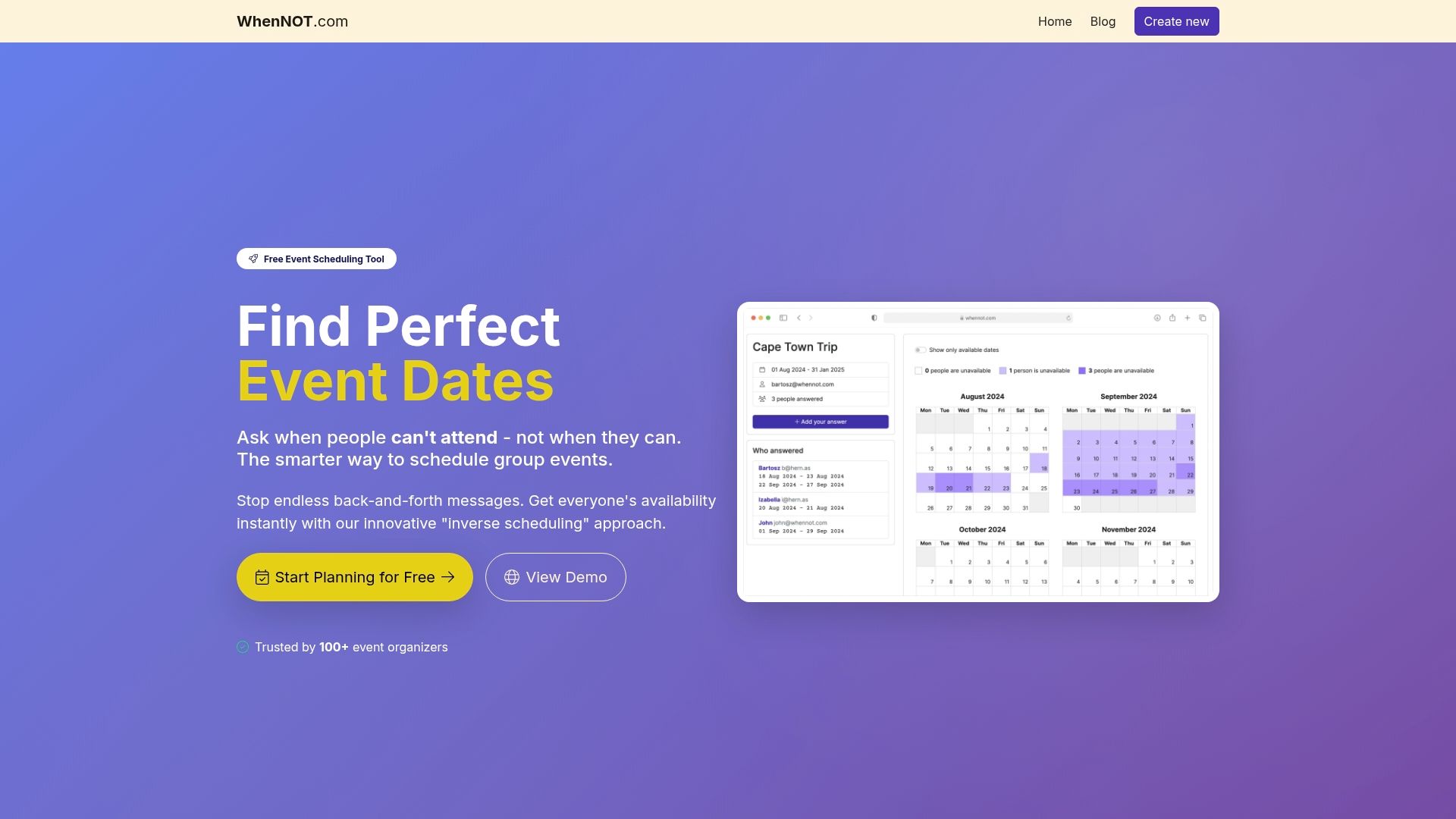
Discover a smarter way to coordinate your next community gathering by using WhenNOT’s unique inverse scheduling approach. Instead of asking everyone when they are free, it asks when they are unavailable. This simple shift cuts down communication delays and helps you quickly pinpoint optimal dates that work for the whole group—without requiring participants to create accounts or sign up. Whether you are organizing cultural festivals, educational workshops, or professional networking events, you can leverage powerful scheduling techniques to streamline planning and improve participant experience. Start transforming your community event planning today by exploring our group scheduling guide and learn how to avoid common scheduling mistakes. Visit WhenNOT now to save valuable time and make your events more inclusive and well-organized.
Frequently Asked Questions
What is community event planning?
Community event planning is the strategic process of organizing gatherings that aim to bring people together around shared interests, goals, or purposes, focusing on building connections and creating meaningful experiences.
What are some common types of community events?
Common types of community events include educational workshops, cultural festivals, networking conferences, fundraisers, and community service initiatives, each designed to foster connection and collective growth.
What are the essential steps in planning a community event?
The essential steps in planning a community event typically include preliminary planning (defining goals and target audience), logistical coordination (venue selection and timeline development), resource management (volunteer recruitment and equipment arrangements), communication and promotion, and execution and follow-up.
How can I avoid common pitfalls in community event planning?
To avoid common pitfalls in community event planning, focus on designing inclusive environments, ensuring clear communication, planning logistics meticulously, and preparing for potential risks, including safety protocols and legal compliance.
Recommended
- Understanding Community Event Planning Guide for Everyone - WhenNOT Blog
- Event Organization Strategies: Complete Guide - WhenNOT Blog
- 7 Habits of Successful Event Organizers You Should Adopt - WhenNOT Blog
- Ultimate Event Planning Checklist for Successful Gatherings - WhenNOT Blog
- Understanding the Austin Event Planning Checklist | Trinity Concierge
- What Is Event Design? Complete Guide for 2025 - Winelands Function – For Every Occasion, Your Celebration